
When injury sidelines you from the activities you love, frustration can build quickly.
Rest alone rarely restores strength, control, or performance capacity. Sports & Activity-Related Rehabilitation focuses on rebuilding movement quality, strength, and resilience so your body can handle the demands of your sport or lifestyle. With the right progression, recovery is not just about returning, it is about returning stronger and more prepared.


Sports rehabilitation restores movement efficiency, strength, and performance capacity through structured progression.
Treatment may include:
Your program is built around your sport, your goals, and your current capacity so you can return safely and confidently.
Returning to sport requires more than basic rehab exercises. Our approach blends clinical expertise with performance principles to ensure your body is fully prepared.
Patients choose us because we provide:

Your first visit includes a detailed assessment of strength, mobility, movement mechanics, and sport-specific demands. We identify weaknesses or imbalances contributing to injury and build a structured progression plan. Treatment advances from foundational mobility and strength to higher-level power, agility, and sport simulation. As you improve, we test readiness to ensure a safe and confident return to activity.

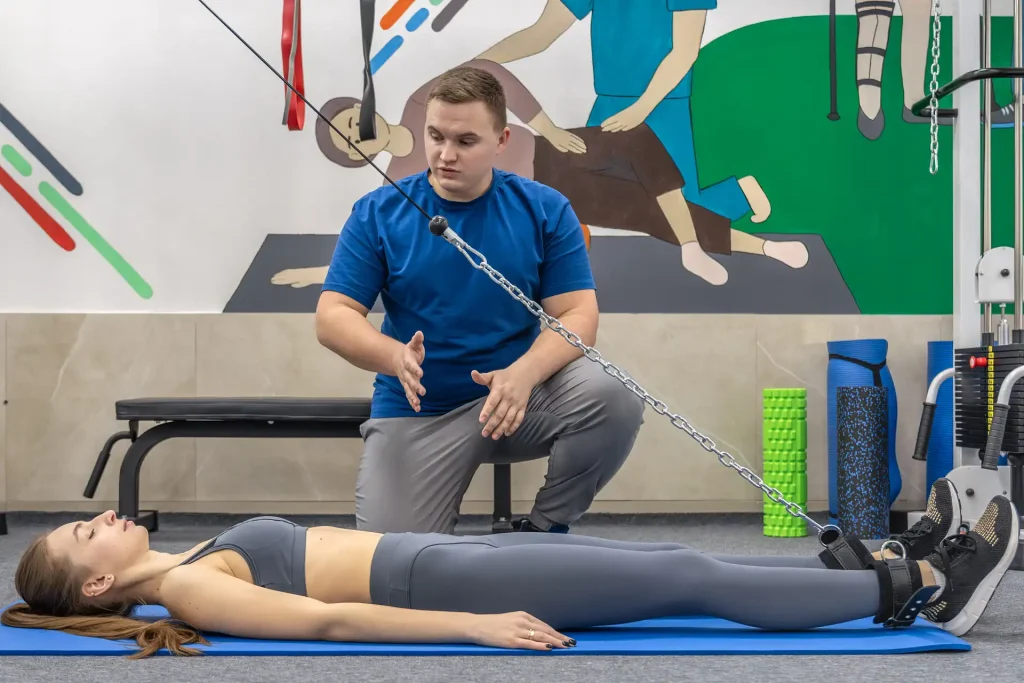
Sports rehabilitation improves strength, coordination, and movement efficiency while reducing the risk of reinjury. A structured plan helps you return to activity with greater durability and confidence. Many patients report not only recovery, but improved performance compared to before their injury.
It is a structured physical therapy program designed to help athletes and active individuals recover from injury and safely return to activity.
No. This service is ideal for anyone whose lifestyle includes physical activity or recreational sport.
Recovery timelines vary based on injury severity, but structured progression improves safety and performance outcomes.
Progression is individualized and based on your current ability and healing status.
Yes. Strength development, movement correction, and load management reduce reinjury risk.
You do not have to settle for sitting on the sidelines. A structured rehabilitation plan can help you rebuild strength, restore confidence, and return to the activities that matter most.